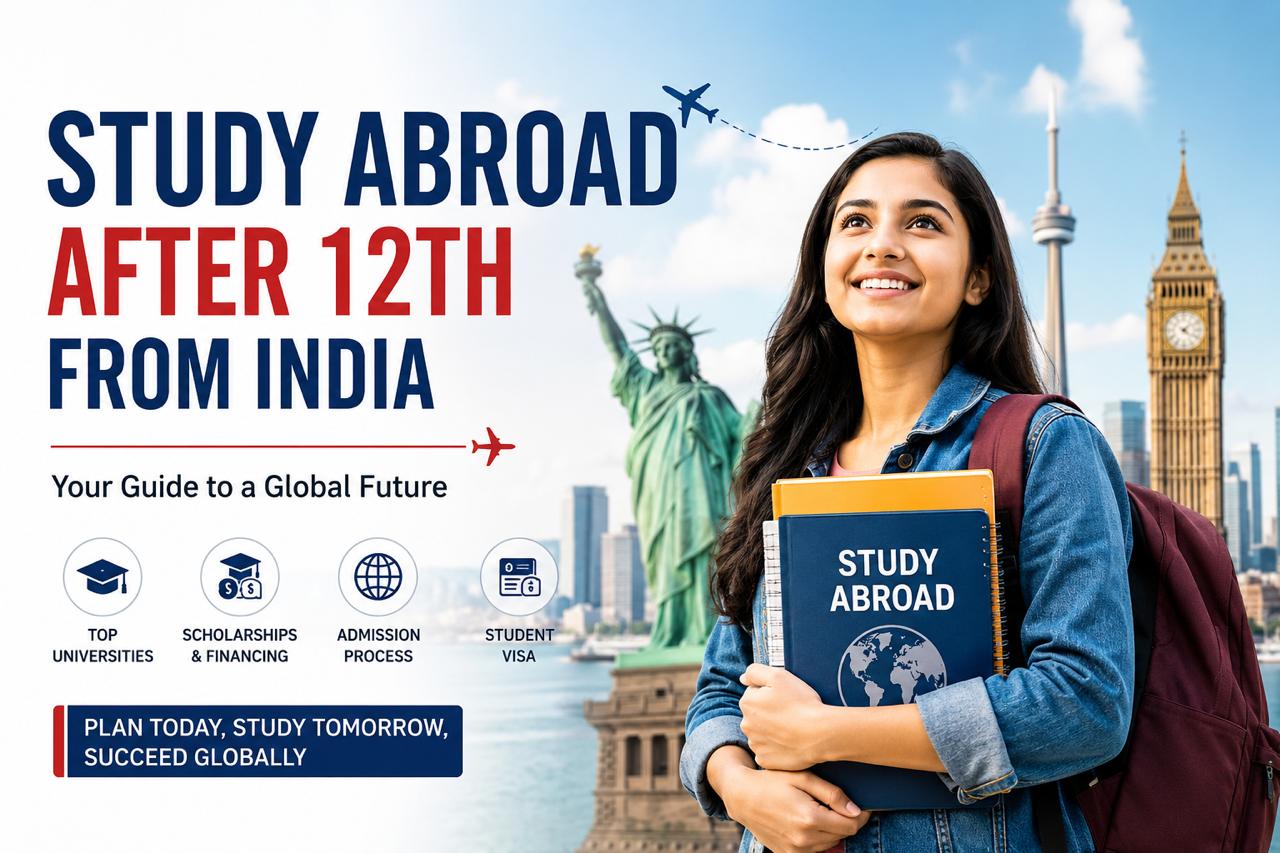

Student Loan for Abroad: Education Loan Guide for Studying Overseas
Studying abroad is a dream for many students who want to build a successful global career. However, the biggest barrier for most learners is the high cost of education. Tuition fees, accommodation, travel expenses, visa charges, and living costs together can become a heavy financial burden. In such situations, a student loan for abroad plays a very important role by providing financial assistance to students so they can focus on their studies instead of worrying about money.
In this guide, we will understand everything about an education loan for studying overseas, including eligibility criteria, required documents, step-by-step process, types of loans, repayment options, and benefits in a simple and clear way.
What is a Student Loan for Abroad?
A student loan for abroad is a financial assistance scheme offered by banks and financial institutions to help students cover the cost of higher education in foreign universities. This loan is designed specifically for students who have secured admission in international institutions.
The loan typically covers several important expenses, including:
- Tuition fees of the university
- Hostel or accommodation charges
- Flight tickets and travel expenses
- Examination and library fees
- Study materials, books, and equipment
- Health insurance required by universities
In most cases, the loan amount is either directly sent to the university or provided to the student in installments depending on the institution’s rules.
Eligibility Criteria for Education Loan
To apply for a study abroad loan, students need to meet certain basic eligibility requirements. These include:
- The student must have confirmed admission in a recognized foreign university
- A good academic record is generally preferred by banks
- A co-applicant (usually parents or guardians) is mandatory
- The co-applicant should have a stable income or strong financial background
- The chosen course should be professional or career-oriented, such as Engineering, MBA, Medicine, Law, or similar programs
Meeting these conditions increases the chances of loan approval significantly.
Documents Required for Student Loan
Students must submit a set of important documents during the loan application process. These include:
- Admission letter from the foreign university
- Academic documents (10th, 12th, and graduation mark sheets if applicable)
- Valid passport copy
- Detailed fee structure provided by the university
- Income proof of co-applicant (salary slips, bank statements, IT returns)
- Identity proof such as Aadhaar card and PAN card
- Recent passport-sized photographs
Proper documentation helps speed up the approval process and reduces delays.
Step-by-Step Education Loan Process (10 Simple Steps)
Here is a simplified process for applying for a student loan for abroad:
1. Research and Choose Bank
Compare different banks and financial institutions based on interest rates, repayment terms, and loan limits.
2. Check Eligibility
Ensure you meet the basic requirements before applying.
3. Fill Application Form
Apply online or visit the nearest bank branch.
4. Submit Documents
Provide all academic and financial documents carefully.
5. Initial Verification
The bank checks your eligibility and documents.
6. Background Check
Co-applicant’s financial status is verified.
7. Loan Assessment
Bank evaluates your admission and course details.
8. Loan Approval
If everything is correct, the loan gets sanctioned.
9. Agreement Signing
You sign the loan agreement with terms and conditions.
10. Disbursement
The loan amount is released either to the university or your account.
Types of Education Loans for Abroad
There are mainly two types of student loans available:
- Secured Loan: Requires collateral such as property, fixed deposits, or assets. These loans usually have lower interest rates.
- Unsecured Loan: Does not require collateral but comes with slightly higher interest rates and stricter eligibility conditions.
Interest Rates and Repayment Details
- Interest rates usually range between 8% to 15%, depending on the bank and loan type
- Repayment typically starts after course completion
- Students are given a grace period of 6 to 12 months after finishing studies
- Loan repayment tenure can extend up to 10 to 15 years, making it easier to manage EMIs
Benefits of Student Loan for Abroad
Taking an education loan offers several advantages:
- Reduces financial burden on families
- Covers almost all major education-related expenses
- Helps students access top international universities
- Flexible repayment options make it easier to manage finances
- Tax benefits are available under Section 80E in India
Tips to Get Your Loan Approved Easily
To improve your chances of approval, follow these useful tips:
- Maintain strong academic performance
- Choose a reputed and recognized university
- Apply for the loan early, before admission deadlines
- Ensure your co-applicant has a stable income source
- Compare multiple banks before finalizing the loan
- Keep all documents updated and properly organized
Conclusion
A student loan for abroad is one of the most effective ways for students to fulfill their dream of studying in international universities without financial stress. With proper planning, documentation, and the right bank selection, students can easily secure funding for their education and focus on building a successful global career.